

Casey Ellis, on the record.
1,355 items across 6 categories: press, broadcast, stage, and paperwork. Captured, displayed, and archived for posterity.
Australian Cyber Week 2020
OzCyber Unlocked podcast featured Casey Ellis discussing Australian Cyber Week 2020 and its significance to the cybersecurity landscape. Ellis explored key topics shaping Australia's cybersecurity priorities and community engagement during the event.

Defending U.S. Voting Processes Now and into the Future
This Infosecurity Magazine blog post from October 14, 2020, is titled Defending U.S. Voting Processes Now and into the Future. Written by Casey Ellis, Founder and CTO of Bugcrowd, it examines security pressures on the 2020 U.S. election, including first-time digital voters and growing reliance on connected voting systems.

Microsoft leads effort to disrupt infamous TrickBot botnet
Silicon Angle reported on Microsoft's coordinated takedown effort against the TrickBot botnet infrastructure in October 2020. Casey Ellis contributed analysis on the significance of the disruption operation and its implications for combating large-scale botnet threats.

Voting machines pose more problems in US elections than outside actors
ITWire published an article examining threats to US election integrity. Casey Ellis is quoted arguing that vulnerabilities in voting machine hardware and software present a greater risk to elections than external cyberattacks.

16 Software Development Trends That Will Soon Dominate The Tech Industry
Forbes published a panel piece on sixteen software development trends expected to shape the tech industry. Casey Ellis contributed a prediction on a key trend poised to dominate software development practices.

Bug Bounty FAQ: Top Questions, Expert Answers
Threatpost published a bug bounty FAQ feature in September 2020 addressing common questions about bug bounty programs. Ellis provides answers on how these programs function, their value to organizations, and implementation best practices.

Uber exec covered-up ransom payment for millions of drivers (Includes interview)
This 2020 Digital Journal article reports that Uber paid hackers a ransom after they downloaded a database of personal data, and that the payment went undisclosed. Casey Ellis, founder of Bugcrowd, says the affair has shaped public views of hackers and that ethical researchers must be distinguished from bad actors.

Legality of Security Research to be Decided in US Supreme Court Case
Dark Reading published an article on a Supreme Court case examining the legality of security research under the Computer Fraud and Abuse Act. Casey Ellis provided commentary on the Van Buren v. United States case and its implications for how the CFAA applies to security researchers.

Online voting vendor Voatz urges Supreme Court to limit security research
Ars Technica reported on online voting vendor Voatz's effort to use the Computer Fraud and Abuse Act to restrict security research into its platform. Casey Ellis opposed the move, arguing that such legal tactics undermine good-faith security research necessary to identify vulnerabilities in critical voting systems.

Legality of Security Research to be Decided in US Supreme Court Case
Dark Reading published coverage of a US Supreme Court case examining the legality of security research under the Computer Fraud and Abuse Act. Casey Ellis provided expert commentary on the case's implications for security researchers and the interpretation of CFAA provisions.
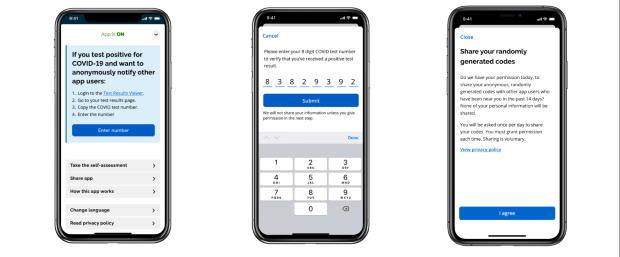
Vulnerability disclosure program needed to ensure confidence in COVID apps, says expert
IT World Canada published Casey Ellis's commentary on COVID-19 contact tracing apps in September 2020. Ellis argues that government contact tracing apps require formal vulnerability disclosure programs to build public trust and maintain security standards.

被“白帽黑客”吐槽,漏洞赏金被质疑是“作秀”
Fortune China published an article examining criticism from security researchers about bug bounty programs and whether they function as genuine security initiatives or public relations exercises. The piece discusses concerns raised by white-hat hackers, including perspectives on the effectiveness and transparency of vulnerability reward platforms in the security industry.

Facebook to warn third-party developers of vulnerable code
TechCrunch published a story on Facebook's plan to alert third-party developers about vulnerable code in their applications. Casey Ellis commented on the initiative, noting its significance for improving security awareness across the developer ecosystem.

Online-voting company pushes to make it harder for researchers to find security flaws - CNET
This CNET news article from September 3, 2020 reports on e-voting company Voatz urging the Supreme Court to limit security research to authorized testing. Casey Ellis, founder of Bugcrowd, is quoted saying that making unauthorized access illegal would leave researchers unable to do their jobs while malicious hackers ignore the law.

If you were 'king,' how would you defeat ransomware?
ITWire published a feature in which Casey Ellis outlines a strategic approach to combating the global ransomware problem. Ellis describes the multifaceted solutions he would implement if positioned to address ransomware at scale.

What's behind Apple's iOS security research device program?
Digital Journal published an article examining Apple's iOS security research device program and its implications for vulnerability discovery. Casey Ellis analyzes the motivations behind Apple's initiative to distribute specially-configured iPhones to security researchers and assesses the program's potential impact on device security.
What's behind Apple's iOS security research device program?
Digital Journal published an article examining Apple's iOS security research device program and its implications for vulnerability discovery. Casey Ellis analyzes the program's motivations and potential impact on the security research community's ability to identify weaknesses in Apple's platform.

Lessons from Uber: Be crystal clear on the law and your bug bounty policies
SC Magazine published an article examining legal lessons from Uber's security breach incident and the importance of transparent bug bounty program governance. Casey Ellis discusses how organizations must establish clear, legally compliant bug bounty policies to protect both researchers and the company from liability and misunderstandings.

Former Uber CSO Charged Over Alleged Breach Cover-Up
Infosecurity Magazine reported on charges filed against Uber's former Chief Security Officer over an alleged breach cover-up. Casey Ellis commented on the case's implications for the CISO role and the responsibility of security leaders in corporate governance.

Data Breach Cover-Up: Uber's Former CSO Faces up to 8 Years Behind Bars
Secure World Expo published an industry news item on federal charges against Uber's former Chief Security Officer for a data breach cover-up. Casey Ellis commented on the case and connected it to the broader evolution of vulnerability disclosure ethics and corporate accountability standards.

Five Essentials for Running a Successful Bug Bounty Program
This broadcast webinar, Five Essentials for Running a Successful Bug Bounty Program, is published by Threatpost and targets organizations launching bug bounty programs, CISOs, and white hat hackers. Casey Ellis, CTO and founder of Bugcrowd, is a panelist and member of the CTI League, a coalition combating cyberthreats that arose amid COVID-19.
FireEye’s bug bounty program goes public
SC Magazine reported on FireEye's decision to open its previously private bug bounty program to external security researchers. Casey Ellis contributed to the piece as a bug bounty program expert offering perspective on the company's shift toward broader vulnerability disclosure practices.

What a Biden-Harris White House Could Mean for Tech Policy
A Wall Street Journal article from August 2020 examines potential technology policy shifts under a Biden-Harris administration, addressing antitrust enforcement, data privacy regulation, and Section 230 reform. Casey Ellis contributes perspective on how these policy areas could reshape the technology sector's regulatory landscape.
Vulnerability Economics: Understanding the Real Value of Security Flaws in Software
Bugcrowd hosted a webinar in August 2020 on vulnerability economics and the business impact of security flaws in software. Casey Ellis presented a framework for understanding how organizations should value and prioritize the remediation of discovered vulnerabilities.

3.1M records tied to medical software company Adit found exposed online
Silicon Angle reported on a data exposure incident affecting medical software company Adit, in which 3.1 million patient records were discovered unsecured online. Casey Ellis helped identify the exposure and coordinated its disclosure to the company and relevant authorities.
Hackers and Defense Officials Unite Online at DEF CON 28
Clearance Jobs covered the virtual DEF CON 28 hacking conference, which brought together independent hackers and defense officials to strengthen national security practices. Casey Ellis participated in the event, contributing to discussions between the hacker community and government representatives on vulnerability disclosure and defensive security improvements.

Should privacy act terms of service violations be a crime?
Digital Journal published an article examining whether violations of website terms of service should be prosecuted as crimes under the Computer Fraud and Abuse Act. Casey Ellis contributed perspective to the legal debate surrounding enforcement of privacy obligations and the scope of computer fraud statutes.
Google Ditches Patch-Time Bug Disclosure in Favor of 90-Day Policy
Google Project Zero shifted its vulnerability disclosure policy away from patch-time requirements to a standardized 90-day deadline, according to Threatpost. Casey Ellis analyzed the implications of the policy change and its effects on the vulnerability disclosure landscape.

Casey John Ellis Interview
Hakluke published a video interview with Casey Ellis on July 31, 2020. Ellis discusses his career path as a developer, the influence of a book on his decision to work remotely, and how that shift enabled him to pursue additional interests.

Apple to send research phones to trusted hackers
Apple launched a Security Research Device Program providing specially configured iPhones to vetted security researchers, as reported by SC Magazine. Casey Ellis was among the trusted hackers selected to receive a research phone to identify iOS vulnerabilities.