

Casey Ellis, on the record.
1,355 items across 6 categories: press, broadcast, stage, and paperwork. Captured, displayed, and archived for posterity.

Fiat Chrysler Will Pay You Up To $1,500 To Hack Into One Of Its Vehicles
FCA Authority reported in July 2016 on Fiat Chrysler's vehicle security vulnerability disclosure program offering bounties up to $1,500. Casey Ellis contributed to the program's design, helping establish processes for hackers to responsibly report automotive security flaws to the manufacturer.
Fiat Chrysler becomes first auto maker to offer bug bounty
FedScoop reported in 2016 that Fiat Chrysler launched the first automotive industry bug bounty program, partnering with Bugcrowd to crowdsource vehicle security vulnerability reports. Casey Ellis, Bugcrowd co-founder, highlighted the program as a significant step toward integrating security research into automotive development and protecting connected vehicle ecosystems.
Fiat Chrysler Is Paying the Public to Find Security Flaws in Its Cars
Fortune published an article about Fiat Chrysler's launch of a bug bounty program that pays security researchers for discovering and reporting vulnerabilities in its vehicles. Casey Ellis advised the automaker on the program's design and implementation.
Fiat Chrysler Automobiles launches bug bounty program
HelpNetSecurity reported on Fiat Chrysler Automobiles' launch of a bug bounty program to incentivize security researchers to identify vulnerabilities in their vehicles. Casey Ellis served as a key advisor in establishing the program's framework and helping the automaker implement responsible vulnerability disclosure practices.
Chrysler Puts the Gas on Connected Car Security with Bug Bounties
Infosecurity Magazine reported on Fiat Chrysler's launch of a bug bounty program for connected car security vulnerabilities. Casey Ellis contributed to the article's discussion of how coordinated vulnerability disclosure practices from software security apply to automotive systems.
Fiat Chrysler hires hackers to root out software bugs
KHOU reported on Fiat Chrysler's initiative to compensate hackers for discovering and disclosing security vulnerabilities in its vehicles. Casey Ellis contributed to the article's discussion of vulnerability disclosure programs and responsible security research practices in the automotive industry.

FCA to offer rewards to hackers who help it find security flaws
NBC News reported on Fiat Chrysler's launch of a bug bounty program to pay hackers for discovering and reporting vehicle security vulnerabilities. Casey Ellis, founder of Bugcrowd, described the automotive industry's shift toward responsible disclosure as a meaningful step in securing connected cars.

Fiat Chrysler will pay you to find bugs in its vehicles
NBR reported in July 2016 on Fiat Chrysler's launch of a bug bounty program to pay security researchers for discovering and reporting vehicle vulnerabilities. Casey Ellis contributed to the piece by providing perspective on the automotive industry's adoption of responsible disclosure practices and the value of coordinated vulnerability reporting programs.
Fiat-Chrysler Not Only Wants to Be Hacked, It Will Pay $1,500
Patch published an article about Fiat Chrysler's bug bounty program that offers hackers $1,500 for reporting vehicle security vulnerabilities. Casey Ellis is referenced as a security expert who informed Fiat Chrysler's vulnerability disclosure approach.

FCA to offer rewards to hackers who help it find security flaws
Fiat Chrysler announced a bug bounty program offering payments to hackers who discover and report security vulnerabilities in its vehicles, according to Reuters. Casey Ellis advised the automaker on designing the program as part of his work promoting responsible disclosure practices in the automotive industry.
Fiat Chryslers U.S. operations sets precedent with bug bounty program for connected cars
SC Magazine published an article about Fiat Chrysler's U.S. operations launching a bug bounty program for connected vehicles, marking an industry first in automotive security practices. Casey Ellis contributed expertise on vulnerability disclosure frameworks that informed the program's design and helped establish responsible reporting procedures for vehicle security flaws.
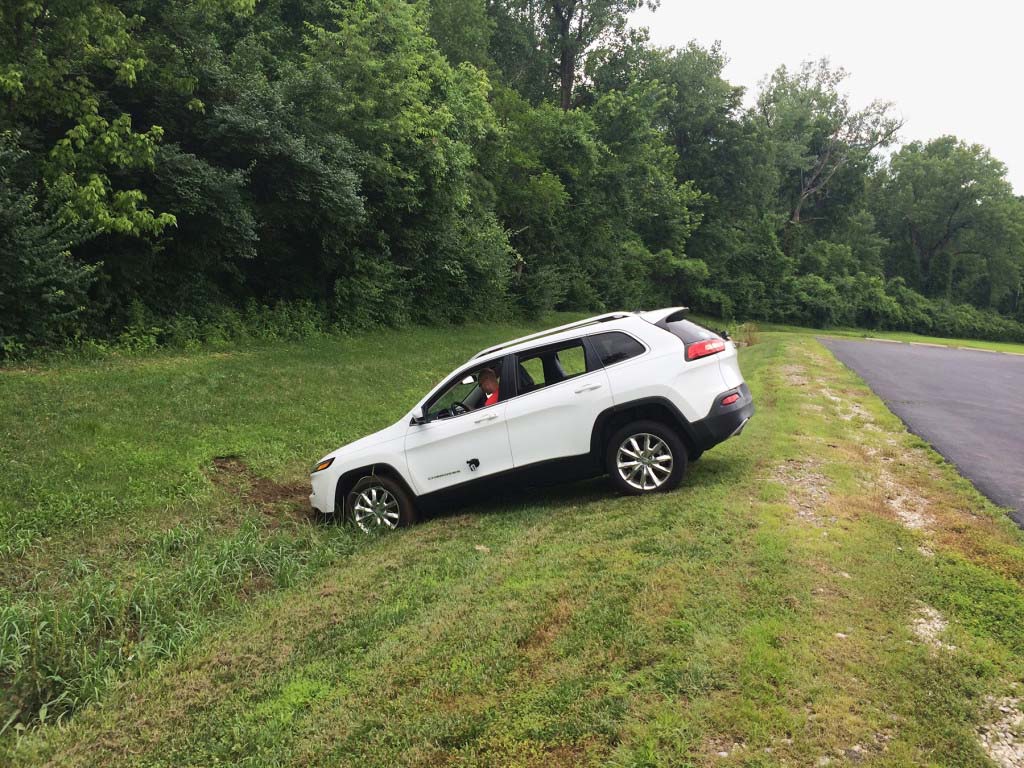
Fiat Chrysler Wants Help from Hackers
The Detroit Bureau published an article on Fiat Chrysler's new bug bounty program for vehicle security vulnerabilities. Casey Ellis advised the automaker on structuring the initiative to incentivize responsible disclosure from external security researchers.

Fiat Chrysler Launches Bug Bounty With $1.5K Payout Cap, S
Threatpost reported on Fiat Chrysler's launch of a bug bounty program offering up to $1,500 for reported vehicle security vulnerabilities. Casey Ellis commented on the program's significance for automotive security and the role of coordinated vulnerability disclosure in protecting connected vehicles.

Fiat Chrysler hires hackers to root out software bugs
USA Today reported on Fiat Chrysler's decision to pay hackers for discovering and reporting security vulnerabilities in their vehicles. Casey Ellis served as a security advisor to the automaker's bug bounty program, helping establish responsible disclosure practices for automotive software vulnerabilities.

Chrysler Launches Detroit’s First ‘Bug Bounty’ for Hackers
WIRED published an article in July 2016 on Fiat Chrysler's launch of Detroit's first vehicle security bug bounty program. Casey Ellis advised the automaker on designing and implementing the vulnerability disclosure initiative to improve automotive cybersecurity.
Start-ups considering the US should make the move
An opinion piece published in The Australian discusses reasons Australian startups should expand into the US market. Casey Ellis encourages founders considering the move to pursue growth opportunities and capitalize on the larger American ecosystem and investor base.

Meet Zerodium, the company that pays $1 million for Apple hacks
CNNMoney reported on Zerodium, an exploit broker offering substantial bounties for zero-day vulnerabilities in Apple products. Casey Ellis is cited regarding the market dynamics and significance of such vulnerability acquisition programs for security researchers and the broader threat landscape.

Massachusetts General Hospital data breach affects 4.3K patients
A June 2016 SC Magazine report covered a data breach at Massachusetts General Hospital that exposed personal information of approximately 4,300 patients through a third-party vendor's malware infection. The incident highlighted vulnerabilities in healthcare supply chain security and third-party risk management practices in medical institutions.

Employees Are the Weakest Link in Computer Security
Fortune published an article examining the critical role employees play in maintaining computer security within organizations. Casey Ellis discusses how human behavior and employee awareness represent significant vulnerability points that organizations must address through training and cultural change.
Super Bug Hunters Collect Millions in Bounties
A CIO Insight slideshow from June 2016 profiles top bug bounty hunters earning millions in rewards through coordinated vulnerability disclosure programs. Casey Ellis is featured as a prominent participant in the bug bounty community and advocate for organized security research incentives.

Panel: the good, the bad, the ugly of connected cars | UPSHIFT 2016
A panel discussion on connected car security and risks appeared on Autoblog's UPSHIFT 2016 coverage. Casey Ellis participated in the panel examining the benefits, drawbacks, and cybersecurity challenges associated with vehicle connectivity and automation.

Bug bounty report card: Industry diversification and growth - Help Net Security
Help Net Security published this June 2016 news piece on a report finding that bug bounty programs are growing amid rising cyberattacks and a shortage of security talent. Casey Ellis, CEO and founder of Bugcrowd, says even risk-averse industries are adopting crowdsourced cybersecurity programs, which he sees as the best tools for matching adversaries.
Interview with Casey Ellis Of Bug Crowd
A May 2016 podcast episode from Cybersecurity Insights and Perspectives features an interview with Casey Ellis discussing Bugcrowd's founding and direction. Ellis shares his vision for crowdsourced security as a model to identify and remediate software vulnerabilities at scale.

Risky Business #411 -- Ruining the ImageMagick party
Risky Business episode 411, published by Risky Business in May 2016, features a sponsor interview segment about recent developments in the bug bounty space. Casey Ellis discusses Bugcrowd's funding round and trends in the vulnerability disclosure market during the episode.

Could Online Bug Hunting Make Me Rich?
BBC published an article exploring whether participating in online bug hunting programs could generate significant income for security researchers. Casey Ellis discusses how enterprises use bug bounty platforms like Bugcrowd to identify and remediate software vulnerabilities at scale.

Cops Nab Suspects in Jeep Cybersecurity Theft
The Detroit Bureau reported on law enforcement arrests in connection with a cybersecurity theft involving Jeeps. Casey Ellis contributed analysis on the security vulnerabilities exposed in the incident and their implications for automotive manufacturers.

The 10 Coolest Security Startups Of 2016 (So Far)
CRN's slideshow of the 10 coolest security startups of 2016 includes Bugcrowd, the crowdsourced security platform founded by Casey Ellis. The company was recognized for its approach to identifying and resolving security vulnerabilities through coordinated researcher networks.

In Sydney, ‘Ideas Boom’ Fuels Australian-Born Startups
WeWork Creator Magazine published a 2016 feature on Sydney's "ideas boom" and its effect on Australian-born startups. The article references Bugcrowd as an example of a homegrown company emerging from the city's entrepreneurial ecosystem.

Are lawmakers vilifying white-hat hackers?
SC Media broadcast an interview segment titled "Are lawmakers vilifying white-hat hackers?" in May 2016. Ellis discusses how poorly designed legislation and legal actions risk deterring legitimate security researchers from conducting vulnerability research.
Pentagon Bug Bounty Program Attracts Strong Hacker Interest
An eWEEK article documents strong hacker participation in the Department of Defense's "Hack the Pentagon" bug bounty initiative, which drew over 1,400 researcher registrations. Casey Ellis discusses the program's significance in engaging the security research community and expanding the Pentagon's vulnerability disclosure efforts.